
From Product Brief
to Production-Ready
Knitwear
We support apparel brands through requirement review, supplier alignment, fabric direction, sampling, costing, documentation, and production follow-up with a clearer path from idea to bulk.
Understand
We review your product requirements, technical specifications, quantities, timelines, and sourcing goals.
Align
We connect the right supplier, materials, certifications, and production capability to your program.
Develop
Sampling, costing, feedback, approvals, and documentation move through one structured workflow.
Deliver
Production follow-up, quality coordination, documentation, and shipment readiness are managed through completion.
Most Sourcing Problems
Begin Before Production
Delays, unstable pricing, inconsistent quality, and production issues often begin during planning and development—long before bulk manufacturing starts.
Unclear Requirements
Missing product details often lead to incorrect development, repeated revisions, and unnecessary rework.
Wrong Supplier Match
A factory without the right capability, capacity, or category experience creates weak samples and production risk.
Sampling Delays
Incorrect materials, unclear feedback, and slow approvals can extend development and push production timelines backward.
Costing Surprises
Unconfirmed assumptions around materials, quantities, testing, finishing, and logistics can create unexpected costs later.
Successful production begins with the right decisions.
Clear requirements, suitable suppliers, transparent costing, and structured development help reduce risk before manufacturing begins.
A Clear Path From Brief
To Bulk Production
From technical review and supplier selection to sampling, documentation, and production follow-up, each stage is coordinated through one structured sourcing process.
Requirement
Review
We review the product brief, technical requirements, quantity, target pricing, timeline, and responsible sourcing priorities.
Supplier
Matching
Suitable suppliers are identified based on product capability, certification, capacity, quantity, and commercial requirements.
Fabric
Direction
Material options are aligned with performance, hand feel, certification, construction, availability, and target cost.
Sampling &
Costing
Samples and costings are developed together so design, construction, quality, and commercial expectations remain aligned.
Documentation &
Approval
Required specifications, certificates, test information, approvals, and production details are checked before bulk begins.
Production
Follow-Up
Production progress, quality checkpoints, documentation, shipment readiness, and final delivery requirements are coordinated.
Every stage is connected so decisions made during briefing, development, and approval support a more controlled and reliable bulk production process.
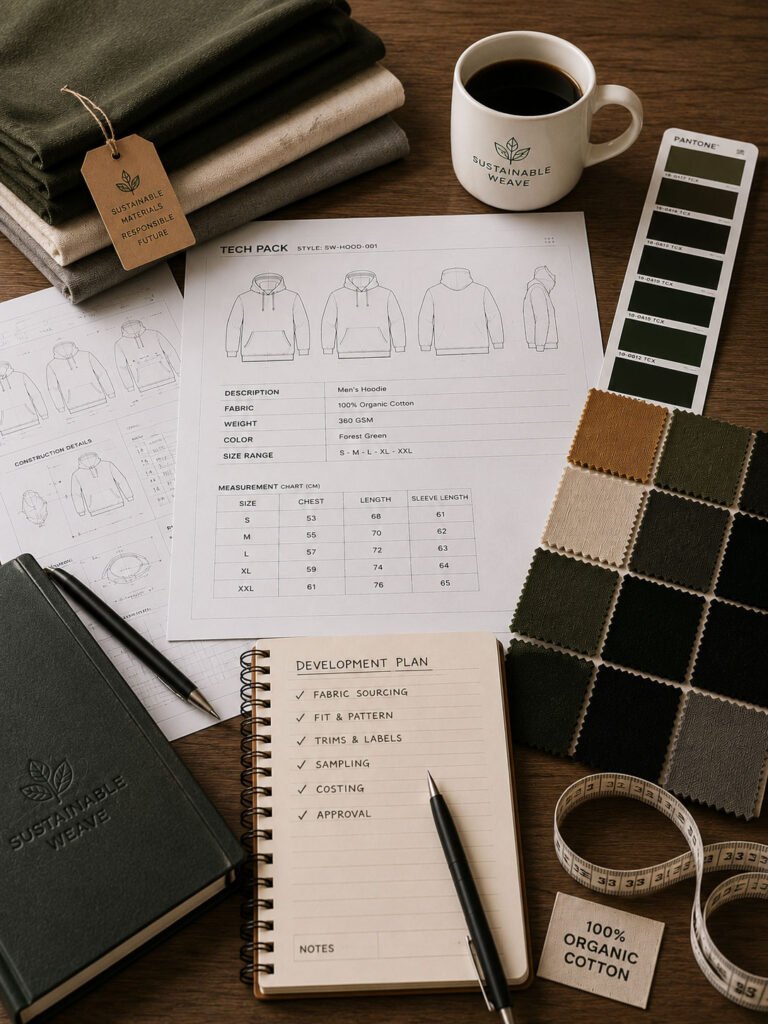
Planning the Right Foundation
We begin by understanding your product and aligning the right supplier, materials, and technical direction before sampling begins.
Requirement Review
We review product specifications, GSM, fit, quantity, certifications, target pricing, and technical requirements.
Supplier Matching
We match the product with suitable suppliers based on capability, certification, capacity, quantity, and category experience.
Fabric Direction
We align fabric construction, composition, hand feel, performance, availability, and sustainability requirements.
Clear decisions at this stage reduce revisions, costing surprises, and avoidable delays during development.
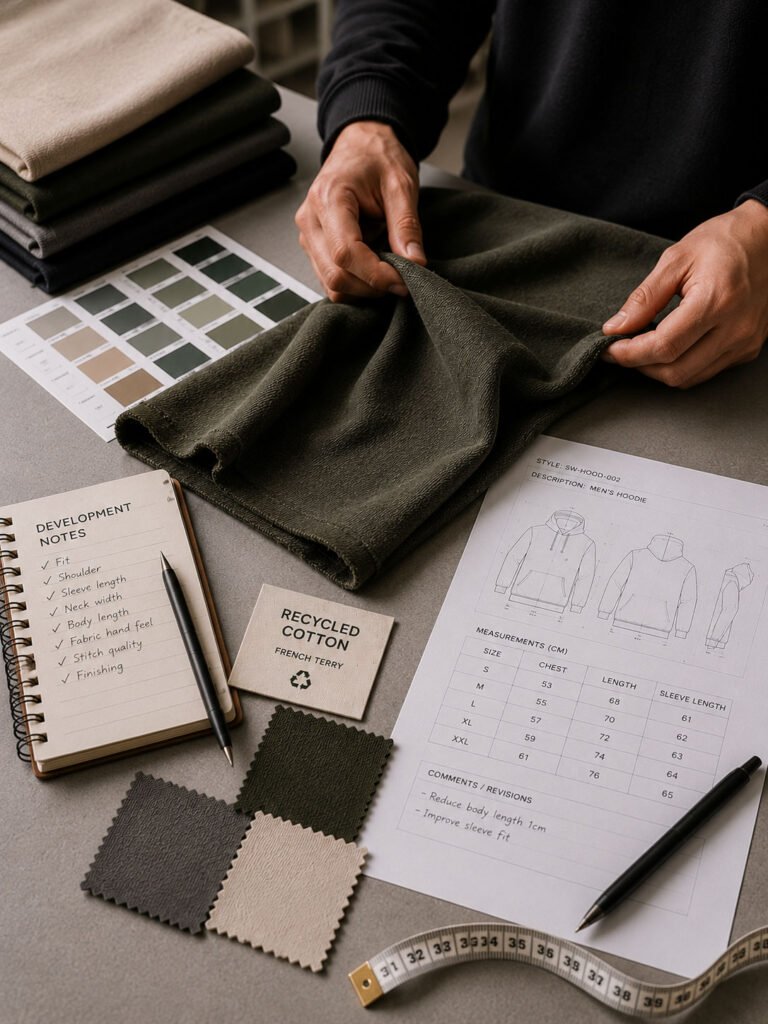
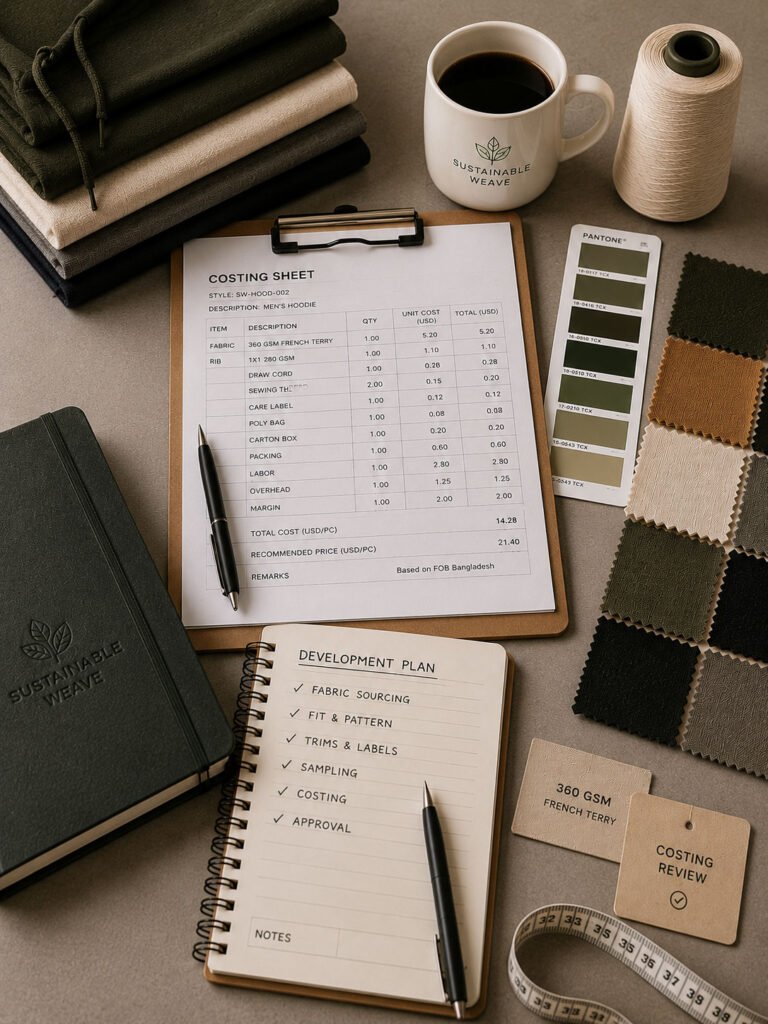
Developing With Clarity
We coordinate sampling and costing so the product meets expectations technically, commercially, and visually before production approval.
Sample Development
Samples are developed according to the approved fabric, construction, measurements, finishing, and design direction.
Buyer Feedback
Fit, quality, appearance, and construction comments are reviewed and translated into clear development adjustments.
Costing Review
Costing is reviewed against material, construction, finishing, quantity, testing, packaging, and commercial requirements.
Commercial Approval
Product details, quality expectations, pricing, lead time, quantities, and production conditions are confirmed.
Product details and commercial conditions are aligned before the program moves into bulk production.
Preparing for Production
Once development is approved, we coordinate documentation, production planning, quality checkpoints, and follow-up to support a controlled transition into bulk production.
Documentation & Approval
Final specifications, certificates, test information, labels, trims, packaging details, and approvals are organized before bulk.
Production Planning
Quantities, lead times, material readiness, production schedules, capacity, and delivery milestones are confirmed with the supplier.
Quality Coordination
Inspection stages, quality checkpoints, testing requirements, and production controls are aligned before manufacturing progresses.
Production Follow-Up
Progress, approvals, quality updates, documentation, shipment readiness, and delivery requirements are followed through completion.
Clear documentation and structured production coordination help move approved products into bulk with fewer delays and better visibility.
Helping Brands Source
With Greater Confidence
We help apparel brands reduce uncertainty through suitable supplier matching, coordinated product development, clearer production visibility, and sourcing processes designed for repeatability.
Better Supplier Matching
Factories are evaluated according to product category, technical capability, certification scope, capacity, lead time, quantity, and commercial fit.
Stronger Product Development
Material direction, technical review, sampling, costing, and approval requirements are coordinated before bulk production begins.
Greater Production Visibility
Structured communication, documented approvals, progress updates, and production follow-up keep buyers informed throughout execution.
More Repeatable Sourcing
Each program builds knowledge that supports more consistent quality, smoother execution, and stronger repeat-order performance.
Follow the Program Journey
Move directly through each phase of the sourcing process—from the first product review to production planning and final delivery.
Start Your Project
Product Brief
Product category, target GSM, quantity, and performance requirements.
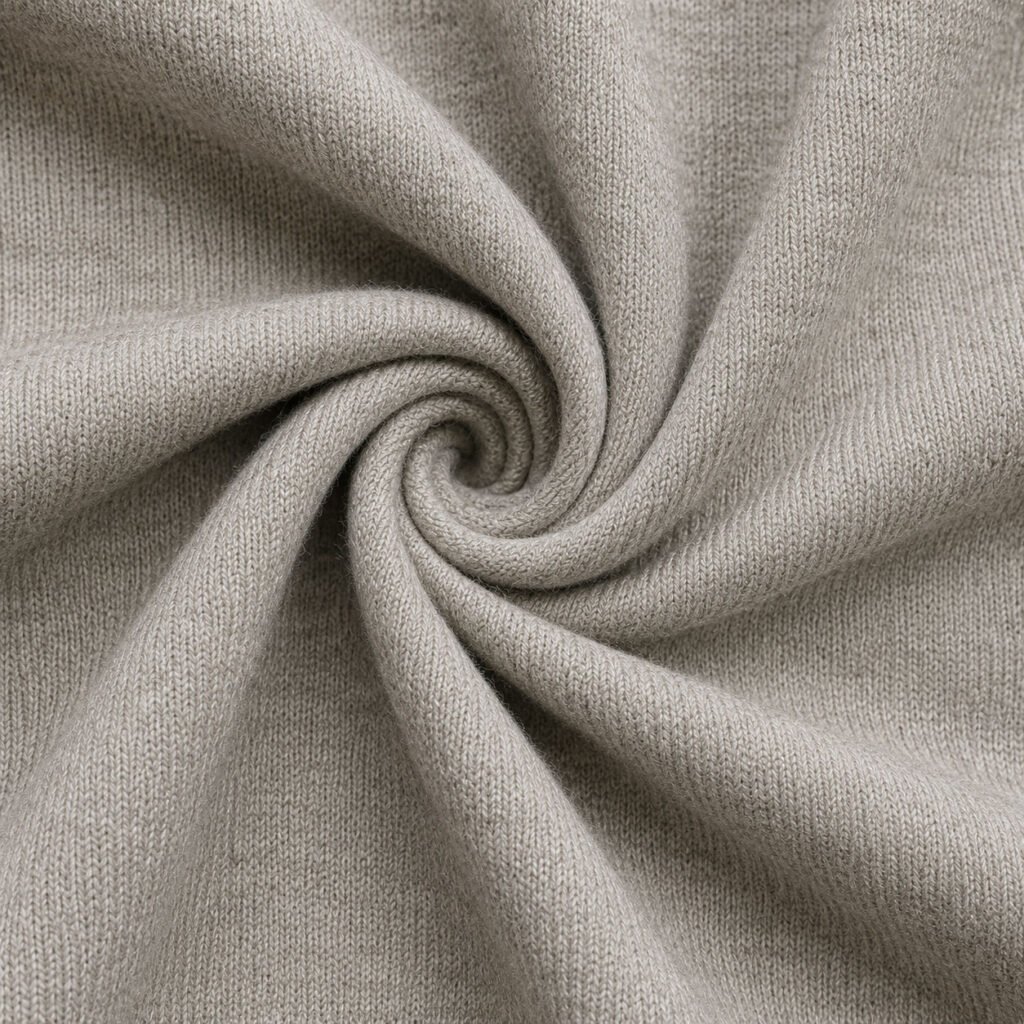
Material Direction
GRS-certified recycled cotton and suitable fabric construction.
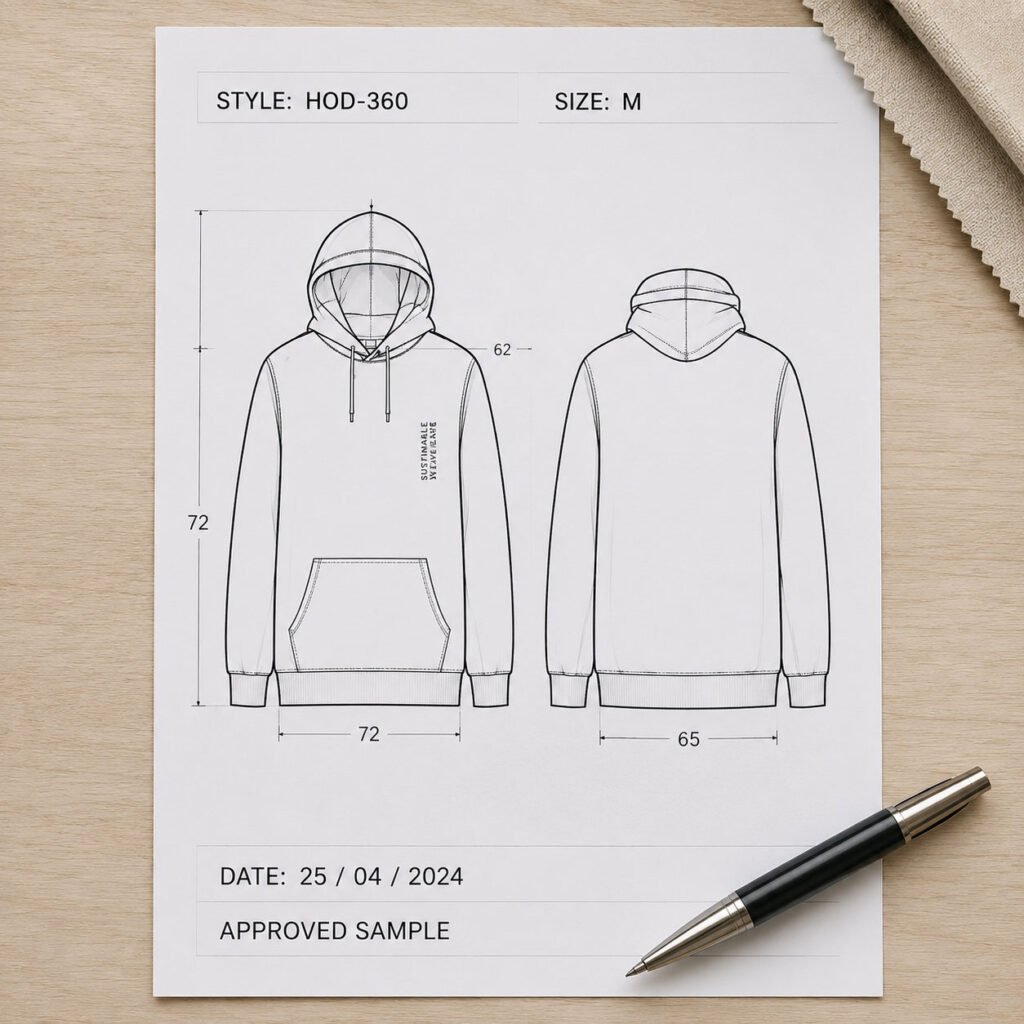
Development
Sampling, fit approval, costing, and technical validation.
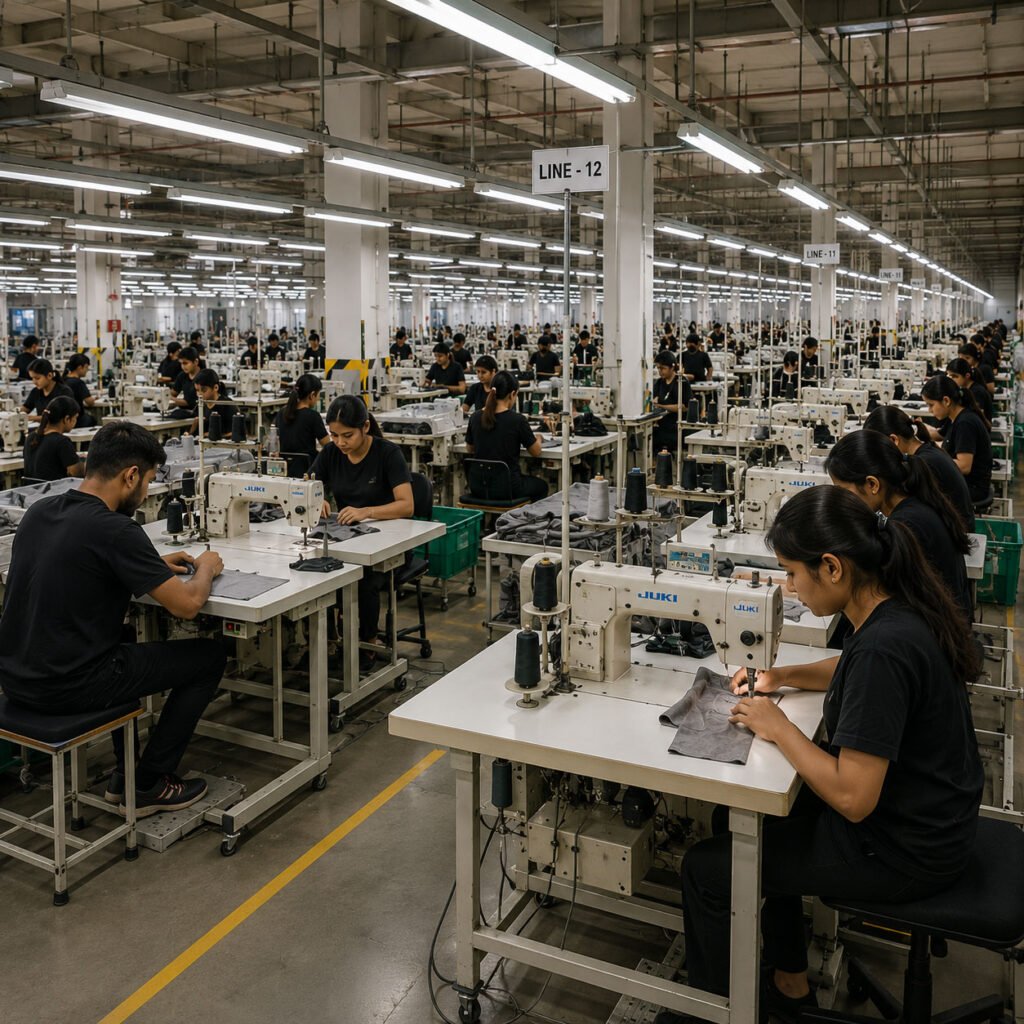
Production
Factory coordination, quality control, and production follow-up.
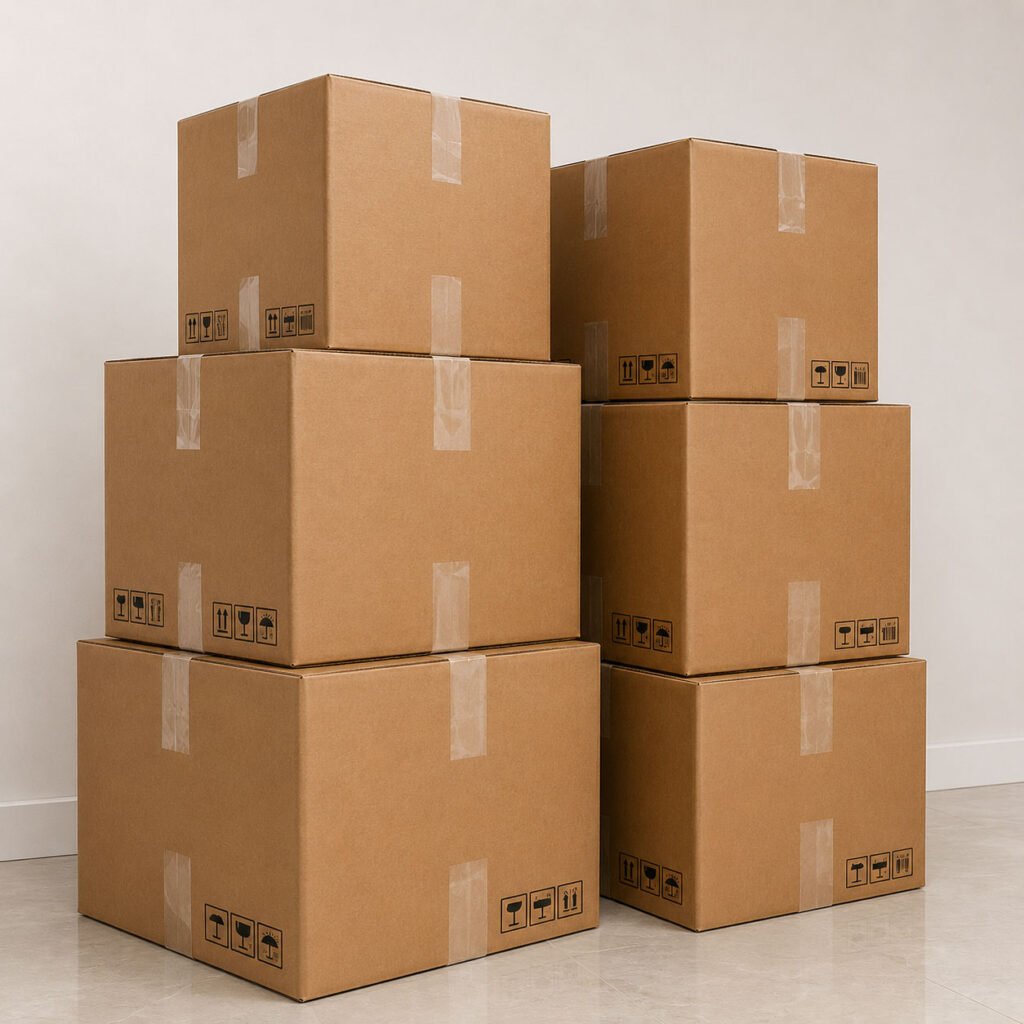
Delivery
Inspection, documentation, and shipment readiness.

Let’s Build Your Next Recycled Knitwear Program.
Share your product brief, material requirements, target GSM, quantity range, and certification needs. We’ll review the most suitable sourcing and development route before production begins.
A clear route from first discussion to development direction.
Share Your Requirement
Product category, fabric direction, target GSM, quantity range, and commercial requirements.
Review the Development Route
We assess material direction, supplier suitability, sampling, costing, and documentation needs.
Move Forward With Clarity
Begin development with clearer responsibilities, priorities, and production direction.